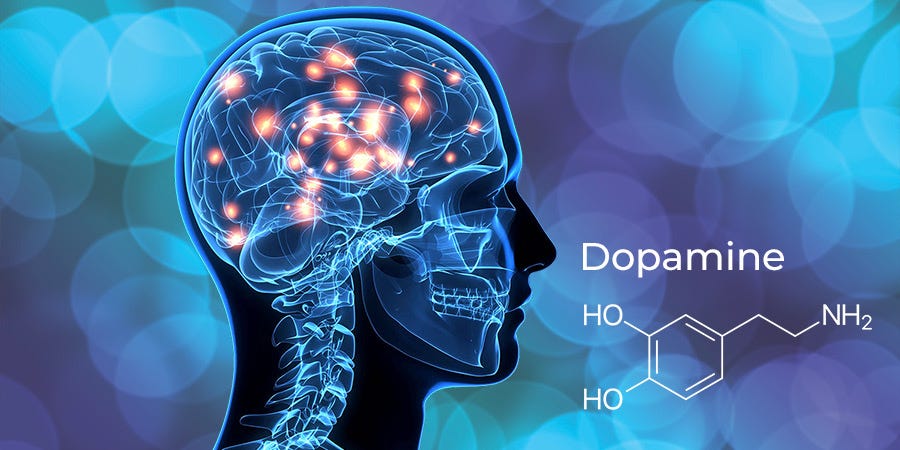
You wake up rested. Not groggy, not gritting your teeth at the alarm, but clear-headed. You stretch, stand, and you don’t reach for your phone right away. You don’t need to. You aren’t chasing anything.
There’s no itch under your skin demanding distraction or comfort. You move through the morning without the usual rush or fog. Your thoughts feel organized. You remember what matters.
When you sit down to work or care for others or tend to whatever calls you, your mind stays put. No bouncing between tabs, no pull to check notifications, no sudden craving for junk food just to feel something.
Your attention, once fractured into a thousand sharp pieces, fits neatly back into place. It belongs to you again. Your body feels lighter. Not because it’s changed drastically overnight, but because it isn’t carrying the weight of dopamine chaos anymore.
You’re not chasing the next hit. The sugar doesn’t call to you like it used to. The videos don’t feel as magnetic. The urge to scroll for hours just isn’t there. There’s a growing peace in the quiet, in the slow, in the steady rhythm of small wins stacking on top of each other.
The same walk you once skipped now feels rewarding. The same healthy meal you used to resent now leaves you satisfied. The thrill you used to get from a notification or a new purchase is replaced by something quieter but deeper—pride.
You look forward to things again. Not in a desperate, hyper-fixated way, but with steady anticipation. Resting doesn’t feel like giving up anymore. Focus doesn’t feel like a punishment.
You aren’t dragging yourself through the day, forcing effort with white-knuckled willpower. You’re pulled forward by something real. There’s clarity. Direction. Not perfect, but better. Not overnight, but sustainable.
This isn’t just some pipe dream or idealized version of life only reachable by monks or minimalist influencers. It’s your brain—unhijacked. Your motivation—unburied. The only reason you don’t feel this way right now is because your system has been overwhelmed for too long.
You’ve been surrounded by things designed to fry your focus, drain your energy, and leave you more exhausted than before. It’s common. It’s baked into modern life. You’ve been running on a loop that was built to trap you, not support you. It’s not your fault. But it’s absolutely fixable.
You’re Not Broken, You’re Overstimulated
You haven’t lost your ambition. You’ve lost access to it. That matters. There’s a big difference between not caring and being too overloaded to feel what you care about. People are walking around convinced they’re lazy or undisciplined, when the truth is simpler and harder: they’re overstimulated.
Constantly. From the minute their eyes open to the moment their head hits the pillow, their brain is pinged, poked, and pulled in a thousand directions. You’ve been told that your failure to focus is a flaw in your character. It’s not. It’s a symptom of a system that hasn’t given you a chance to breathe.
The modern world doesn’t just offer dopamine. It demands it. Every sound, color, swipe, and ping is designed to trigger a micro-reward in your brain. Even something as small as refreshing your inbox or opening a new tab comes with a little jolt.
Add those up, minute by minute, hour by hour, and your brain becomes numb to its own chemistry. What used to bring joy now barely registers. What used to motivate you now bores you. And what used to feel fulfilling now feels like a chore.
This is how you end up stuck in a cycle of doing more but feeling less. You keep reaching for things—your phone, snacks, background noise, multitasking—not because you want them, but because your brain is screaming for stimulation and you’ve forgotten how to say no.
When you finally sit down to do something meaningful, your mind starts thrashing. The discomfort hits fast. The silence feels itchy. The urge to check something, anything, becomes unbearable.
And you think, “What’s wrong with me?” Nothing. What’s happening is your brain doesn’t know how to tolerate low-dopamine states anymore. You weren’t born with this wiring. It was trained into you.
Every quick-hit behavior you’ve repeated over time has reshaped your baseline. Dopamine isn’t a bad thing. You need it. It helps you pursue goals, learn new things, and feel pleasure.
But the issue isn’t dopamine itself—it’s the speed, frequency, and intensity of how you’ve been getting it. Like eating pure sugar for every meal, your reward system is now overloaded and undernourished. The solution isn’t to eliminate all pleasure. It’s to reset how your brain experiences it.
People often confuse this state with depression or apathy. It mimics those things. But it’s not quite the same. You still want things. You still feel desire. But it’s trapped behind a wall of overstimulation.
Think of it like standing in front of a speaker blasting static. It doesn’t mean the music stopped playing. You just can’t hear it anymore. The reset isn’t about becoming a productivity robot or punishing yourself with ascetic routines. It’s about turning the volume down on the noise so you can hear yourself again.
Overstimulation doesn’t just affect your brain. It rewires your habits, your routines, even how you think about effort and satisfaction. You start to expect rewards faster. You tolerate boredom less.
Tasks that used to feel fine now seem unbearable unless you’re multitasking, distracted, or artificially hyped. Your threshold for stimulation rises, and everything below it feels pointless.
This creates a strange contradiction where you do more but feel worse. You chase goals but don’t enjoy reaching them. You seek comfort but feel restless when you get it. And eventually, you stop starting at all because your brain anticipates the dopamine drought before you even begin.
You can’t will your way out of this. That’s part of what makes this state so frustrating. You try. You plan. You force it. And sometimes you succeed for a few days. But the discomfort creeps back in.
The cravings return. Your attention splinters again. And you fall back into the loop. This isn’t because you lack discipline. It’s because you’re fighting against a reward system that’s been trained to expect constant highs and gets anxious when it doesn’t get them.
Your brain is trying to keep you safe, not sabotage you. But it’s reacting to a world that’s unnatural, addictive, and too loud. The lie we’re sold is that more stimulation equals more happiness.
More screens. More sounds. More input. But that overload leaves no room for natural rewards to register. Quiet joy, deep work, calm connection, pride in effort—those things take time and presence to feel.
They don’t deliver a hit right away. That makes them hard to notice in a brain trained to chase immediacy. But those are the things that stick. Those are the kinds of dopamine that last longer, feel deeper, and actually build momentum.
Right now, you might feel like nothing excites you. Or maybe everything excites you for five minutes before the urge to switch kicks in. That isn’t proof that you’re doomed or broken.
It’s just a sign that your brain’s fuel gauge is broken. It’s flooding the engine with junk because that’s all it knows. Once you take the pressure off and stop feeding it constant novelty, it can start to recover.
And when it does, you’ll feel it. The boredom will pass. Your mind will settle. You’ll start to notice things again. You’ll feel interest without needing entertainment. You’ll feel satisfaction without needing a reward. That’s the shift.
This doesn’t require perfection. You don’t need to vanish into the woods or delete every app. It’s not about cutting off pleasure. It’s about spacing it out. Making room. Letting your brain catch up. There’s power in doing less. Not because less is morally superior.
But because less is what makes room for the good stuff to register again. Pleasure stops working when it’s constant. Like too much perfume, you go nose-blind. But space brings it back. You reset your palette. You start craving what actually fuels you instead of what numbs you.
You may have forgotten what real focus feels like. Or what it’s like to enjoy something simple without needing to photograph it or share it or combine it with another task. That’s not your fault.
You’ve been pulled into a world that monetizes your attention and profits from your distraction. But you don’t have to stay stuck in it. You can reclaim your baseline. You can remind your brain that slow is okay. That silence isn’t dangerous. That discomfort is survivable. And that doing one thing at a time isn’t weakness—it’s power.
Overstimulation makes everything feel urgent. It makes waiting intolerable. It tells you that if you don’t respond, post, click, watch, or snack now, something terrible will happen. That’s a lie.
The real danger is the life you miss while chasing that urgency. Moments you don’t feel. Projects you don’t start. People you half-listen to. Even rest loses its value when your brain is trained to crave stimulation instead of restoration.
That’s why the reset matters. It brings you back to baseline so you can actually feel rest again. Actually enjoy a meal. Actually want to get up and move. You stop doing things to numb out and start doing them to check in.
There’s no shame in needing this. If you feel foggy, scattered, anxious, tired, and reactive all the time, it’s not because you failed. It’s because you adapted to survive in a world that never turns off.
Your brain didn’t break. It adapted. And now it needs space to un-adapt. That’s what this reset gives you. Not a new self. Just access to the parts of you that got buried under noise. You don’t need to become someone else. You just need enough quiet to find your own signal again. And it’s still there. Waiting.
The Hidden Highs Hijacking Your Life
You don’t need to be on drugs to have a dopamine problem. You just need a phone, a fridge, or an internet connection. Most people are cycling through a dozen micro-hits every hour without even realizing it.
You tap an app and see a like. You scroll past a joke and smirk. You check your email and get a coupon. You reply to a message and hear the ding of a response. You take a bite of something sweet.
You open another tab. You switch playlists. You switch again. It doesn’t feel like much. But it adds up. Each one of those tiny jolts reinforces a pattern: feel the itch, scratch it, repeat.
None of these things are evil. They’re convenient, entertaining, and part of modern life. The problem isn’t that we use them. It’s that we use them without noticing how often we do or why we reach for them in the first place.
Dopamine is the brain’s motivation signal. It’s not the pleasure chemical. It’s the anticipation chemical. It pushes you toward things that have rewarded you before. So if every time you feel a dip in energy, mood, or focus, you reach for something fast and stimulating, you’ve trained your brain to expect relief on demand. Not meaningful relief. Just something.
That’s how hidden highs become traps. You don’t notice they’re a problem until you try to stop. You think it’s harmless to check your phone every five minutes until you leave it in the other room and feel restless, even twitchy.
You think multitasking helps you get more done until you try to focus on a single task and your mind starts flailing. You think one cookie is no big deal until you’re having one every time you feel even mildly uncomfortable. These little actions sneak into your day disguised as harmless coping tools. But they slowly chip away at your tolerance for stillness, boredom, and delayed gratification.
The scariest part? Most people don’t realize they’re addicted to anything. They just think they’re scattered. Or tired. Or “bad at mornings.” But what’s really happening is that they’ve built an entire operating system on constant novelty.
A few seconds of silence, a slow-loading page, or a blank screen feels unbearable. Not because anything’s wrong. But because the dopamine isn’t hitting fast enough. That’s how you end up with twenty open tabs, a phone in one hand, and a snack in the other—half-aware, half-engaged, completely unsatisfied.
Social media is the obvious culprit, and for good reason. It’s engineered for addiction. Short videos, infinite scroll, personalized algorithms, variable rewards—it’s the digital slot machine in your pocket.
You never know what’s coming next, and your brain loves that. It creates a loop of compulsive checking, even when you’re not enjoying it anymore. That’s not you being weak. That’s you responding to something designed to override your natural stopping cues.
But social media isn’t the only source. Quick wins are another. When you get a task done, your brain releases a bit of dopamine. That’s a good thing. But when you start chasing low-effort wins all day just to feel productive, it backfires.
You cross off five tiny tasks and feel accomplished, but you’re avoiding the one thing that would actually move your life forward. You’re trading long-term impact for a stream of shallow progress that keeps you busy, distracted, and stuck.
Then there’s food. Sugar, fat, salt—those are dopamine bombs. They don’t just taste good. They light your brain up in ways that mimic drug response. That’s why you crave them even when you’re not hungry.
That’s why one bite turns into a binge. And that’s why emotional eating doesn’t fix the emotion. It just delays it. For a few minutes, food gives you the illusion of comfort. But it doesn’t solve anything. It just blunts the edge until the crash hits.
Even things that sound productive can be part of the problem. Multitasking gives you a rush of feeling efficient. But it’s an illusion. What you’re actually doing is switching rapidly between tasks, giving none of them your full attention.
Each switch triggers a tiny dopamine release, just enough to feel like progress, but not enough to build momentum. It drains your cognitive energy faster, raises stress levels, and leaves you more forgetful. But your brain still wants to do it. Because it feels busy. And busy feels better than bored.
Information hoarding is another trap. Reading articles, saving posts, bookmarking tips, watching videos about productivity instead of being productive—those all give you the high of learning without the risk of doing.
You get to feel like you’re growing while staying safe in the comfort of consumption. You convince yourself you’re preparing, researching, getting inspired. But really, you’re stalling. It feels like action. But it’s a shadow of it.
Don’t overlook gossip either. Talking about people—especially with a dose of judgment or drama—gives you a little power surge. It creates social bonding, hierarchy, and control.
That’s why it’s tempting. That’s why it spreads. It’s another hidden high. It doesn’t feel like dopamine. But it is. It’s the same reason people rubberneck at accidents or scroll outrage headlines. You get a jolt of energy from someone else’s chaos. You feel something. Even if it’s gross. And sometimes, that’s enough.
Fake urgency is everywhere too. Emails marked urgent that aren’t. Notifications that could wait. Timers counting down on a sale that will relaunch next week. Limited time offers that aren’t limited.
They all create the same loop: spike your dopamine, trigger your FOMO, get you to act without thinking. These false emergencies train your brain to react instead of respond. You stop making choices. You just chase relief. Tap, click, reply, buy. The aftermath comes later.
Even the layout of your environment plays a role. If your space is filled with triggers—screens, snacks, clutter, noise—your brain learns to associate certain areas with quick highs.
That’s why some people can’t sit at their desk without checking social media. Or can’t go to the kitchen without opening the fridge. You’ve created loops without realizing it. And they reinforce themselves every time you follow the pattern.
This all sounds heavy. And it is. But not hopeless. The point isn’t to become a monk. The point is to get conscious. You don’t have to cut out everything. You just need to start noticing which behaviors are giving you fake dopamine and which ones are actually satisfying.
If you feel worse afterward, that’s your clue. If it pulls you in but doesn’t leave you better, that’s a red flag. You shouldn’t feel like you need a reward just to sit still. Or like silence is an emergency. Or like every itch needs scratching.
You might be surprised by what shows up when you start paying attention. Maybe you scroll more than you thought. Maybe you snack when you’re bored, not hungry. Maybe you check your inbox ten times an hour even when nothing important is coming. None of that makes you broken. It just makes you human in a system that feeds off your attention.
Some of these habits developed because they helped you cope. They got you through something. They gave you control when things felt chaotic. They gave you stimulation when life felt flat.
That matters. You don’t need to shame yourself for that. You just need to ask whether they’re still serving you. If not, you get to change the pattern. Slowly. Intentionally. With less judgment and more awareness.
This reset isn’t about purging joy or pleasure. It’s about pausing the loop long enough to let your brain recalibrate. To let your baseline rise again. To let small things start to feel good again.
When you stop flooding the system, your sensitivity returns. You notice the taste of food, the rhythm of your breath, the feeling of completing something without distraction. You don’t have to fake it. You just feel it.
You’ve likely been chasing stimulation without realizing it. Not because you’re weak, but because it’s easy. Because it’s everywhere. Because it’s baked into the design of your tools, your habits, even your culture.
You’ve been hijacked by hidden highs that wear a friendly face—entertainment, convenience, productivity, connection—but steal your focus, drive, and satisfaction when they’re consumed in the wrong dose. You didn’t choose this. You just adapted. And now, you can adapt again. In the other direction. Toward something slower, deeper, and actually worth craving.
The Crash No One Talks About
There’s a point where the hits stop working. You don’t feel the buzz from sugar the way you used to. You scroll for an hour and still feel restless. You bounce between five shows and don’t care about any of them.
You tap through stories, switch apps, pick up your phone again, and nothing satisfies. That’s the crash. It doesn’t come with alarms or dramatic breakdowns. It sneaks in quietly, wearing the mask of boredom, fatigue, and indifference. But underneath, it’s your reward system begging for a break.
You don’t need to be a neuroscientist to recognize what a low-dopamine state feels like. It’s that foggy space where everything feels like too much and not enough at the same time.
You wake up tired. You drag yourself through the morning, not because you stayed up late, but because you never really turned off. Your mind is jittery. You crave stimulation but don’t enjoy it when you get it.
The things you used to look forward to now feel dull or even annoying. That’s not laziness. That’s not a lack of willpower. That’s the aftermath of running your brain on fast dopamine for too long.
When you flood your system with constant novelty—whether it’s from sugar, screens, multitasking, or mindless consumption—your dopamine receptors start to numb. They don’t respond the same way they used to. It’s like turning up the volume on your speakers until the music distorts.
At some point, you don’t get more pleasure. You just get more noise. And when the flood stops, what’s left isn’t peace. It’s the crash. That crash shows up differently for everyone, but it follows the same pattern.
First, there’s boredom. Not the kind that inspires creativity or rest, but the anxious kind that makes you twitchy. You’re uncomfortable in your own skin. You want to be anywhere but here.
You start looking for something to fix it. A snack. A scroll. A new tab. A change of scenery. If you can’t find something fast, the irritability kicks in. Small things feel like big problems. You snap easily. You feel impatient, even with yourself. Your tolerance shrinks.
Next comes fatigue. Not the kind that sleep fixes. This is the heavy, dragging kind of tired that feels like apathy. You don’t care enough to start. You don’t have the spark to push through.
The things you know would help—like exercise, planning, cleaning, reaching out—feel like climbing a mountain. Even small tasks feel too big. You procrastinate, not because you’re lazy, but because your brain is trying to conserve energy. It’s burned out from chasing stimulation that never delivered.
This is where decision fatigue takes hold. When your dopamine is shot, every choice feels harder. What should you eat? Should you check your email? Should you work on that project? Should you start or wait? You get stuck in loops.
You overthink simple things. You abandon tasks halfway through. Your brain is tired of choosing, so it defaults to what’s easiest. And usually, that means doing nothing or going back to the same low-reward behaviors that got you here in the first place.
Doomscrolling becomes the escape. Not because it’s enjoyable. But because it’s easy. It doesn’t require decisions. You just swipe. It keeps your eyes busy while your mind floats.
You aren’t engaged. You aren’t present. You’re numbing. It’s like scratching an itch that only gets itchier. The more you do it, the more stuck you feel. The more stuck you feel, the more you do it. And still, you’re not satisfied. You just hope something—some post, some video, some dopamine spike—will shake you out of the fog. But it never does.
Food becomes another outlet. You aren’t hungry. You’re seeking stimulation. You want flavor, texture, distraction. You want to feel something. The more processed and sugary the food is, the bigger the hit.
But the hit fades fast, and then you crash harder. Now you’re not just tired—you’re uncomfortable. You regret it. You beat yourself up. And that adds emotional fatigue on top of the physical. But you do it again tomorrow, not because you forgot how it felt, but because the cycle feels safer than change.
Relationships start to fray. Not in obvious ways at first. You’re just a little less present. A little more irritable. A little harder to reach. You start avoiding phone calls or cutting conversations short.
You check your phone while someone’s talking. You don’t mean to disconnect—it just happens. Your ability to enjoy connection weakens when your baseline is low. You start seeing people as interruptions instead of support. Even the people you love feel like one more thing to manage.
Your ability to focus collapses. You sit down to do something, and your mind slides off it like water on glass. You get distracted before you’ve even started. You chase five things at once and finish none of them.
You forget why you opened that tab. You lose your train of thought mid-sentence. You tell yourself to “just focus,” but the gear won’t catch. Your brain isn’t trying to betray you. It just doesn’t have enough dopamine left to anchor your attention.
This is the crash. It doesn’t feel like a rock bottom. It feels like low tide. Everything recedes. Your joy, your drive, your clarity, your connection. Life feels flat. You aren’t falling apart. You’re just not lighting up. And the danger is that it starts to feel normal.
You adjust to the fog. You stop expecting energy. You stop pursuing depth. You start living in loops because loops don’t require effort. They just require repetition.
If you’ve been here, you’re not alone. Most people spend years cycling through overstimulation and crash without naming it. They just think they’ve lost their edge.
They try to force discipline, or they give up and call themselves lazy. But this isn’t a personal failure. It’s chemistry. It’s a brain that’s been overloaded and under-supported. It’s what happens when you chase short-term stimulation for too long without rest, reflection, or recalibration.
Your reward system isn’t broken. It’s buried. And you can unbury it. But not by pushing harder. Not by downloading a new productivity app or buying another time management course.
You recover by pausing the loop. By giving your brain a break from the barrage. By letting it relearn what satisfaction actually feels like when it isn’t rushed, numbed, or manipulated. That takes space. That takes discomfort. But it works.
The hardest part of this reset isn’t the detox itself. It’s sitting with the crash long enough to get through it instead of escaping it. When you take away the quick hits, the low becomes more obvious.
The fog thickens before it clears. The restlessness spikes before it settles. Your brain protests. It wants a fix. It wants relief. But if you can wait—if you can ride it out—you’ll start to feel the return. Slowly. Quietly. Real motivation begins to stir. Real satisfaction shows back up. Not the sugar-rush kind. The grounded, lasting kind.
You start caring again. You feel the difference between tired and unmotivated. You notice what actually helps you and what just distracts you. You stop chasing stimulation and start building momentum.
You don’t need a massive transformation. You need consistency. You need patience. You need to stop confusing crash symptoms with your personality. You aren’t inherently sluggish. You’re recovering. And that recovery starts by recognizing that the low you’re feeling isn’t your fault. It’s the cost of constant stimulation. And it’s completely fixable.
Why Willpower Isn’t Enough Anymore
You’ve probably tried to force it. You’ve written the to-do lists. You’ve promised yourself you’d change. You’ve set alarms, downloaded apps, watched motivational videos, told yourself “no more excuses.”
And still, you find yourself back in the same place—tired, scattered, disengaged, frustrated. You think it’s a discipline issue. You think if you could just push harder, stay focused, grind longer, you’d break through. But the harder you push, the more it feels like you’re dragging dead weight. That’s not weakness. That’s a hijacked brain. And willpower can’t override it.
Willpower is a limited resource. You don’t wake up with an infinite supply. You get a tank, and once it’s gone, it’s gone. Every decision you make draws from it. What to wear. What to eat. When to respond. Whether to ignore a notification or check it.
Whether to do the thing you said you’d do or delay it. By the time you’ve made it halfway through the day, most of that willpower is already spent. What’s left is shaky and inconsistent. And if your brain is overstimulated, that tank drains even faster.
Your reward system is wired to push you toward things that feel good and away from things that feel bad. That’s its job. It’s not moral. It doesn’t care about your long-term goals.
It only cares about what you’ve trained it to recognize as rewarding. And when you’ve spent years feeding it fast dopamine—scrolls, snacks, clicks, likes, binges—it adapts. It stops responding to normal rewards.
Finishing a task, making progress, taking a walk, reading a book—none of it hits the same. Your baseline sensitivity drops. You still want to be productive. You still care about your goals. But your brain doesn’t light up when you move toward them. And that’s a problem.
Because discipline only works when there’s a reward on the other side. You can white-knuckle your way through something for a while, but if it feels empty or flat, you’ll quit. Not because you don’t care.
Because your brain isn’t reinforcing your effort. You’re climbing without traction. And when the stimulation of shortcuts is always one click away, resisting them requires more energy than you usually have.
This is how good intentions die. You make the plan. You start strong. But when the effort kicks in, your brain doesn’t give you the reward it should. You don’t feel accomplished. You feel annoyed.
You feel tired. So you drift. You find yourself back in your comfort loop—not because it’s better, but because it’s easier. Not physically. Neurologically. You didn’t used to be this way.
You remember a time when you could focus longer, care deeper, finish things without a struggle. You weren’t always chasing distractions. You weren’t always bailing on your own plans.
But over time, your reward system adjusted to a faster, louder, more convenient world. Now the effort required to stay on task doesn’t match the pleasure you get from it. That gap creates burnout. Not because you’re doing too much. Because you’re getting too little in return.
You can’t force your brain to feel rewarded. You can’t shame it into firing dopamine. You can push for a while, but eventually the lack of satisfaction wins. You’ll stop trying. You’ll tell yourself you’re lazy or weak.
But what’s really happening is that your brain is conserving energy because the things you’re asking it to do don’t give it enough payoff. And the things that do give it a payoff are always within reach. So you fall into a loop of short-term stimulation and long-term frustration.
This is why resets matter. Not because discipline is bad. But because discipline needs a brain that knows how to reward it. You can’t fix a hijacked system by pushing harder. You have to stop the hijacking. You have to clear the noise long enough for your baseline to reset. For your sensitivity to return. For effort to start feeling good again. That’s what the reset does.
When you remove the flood of artificial dopamine triggers—TikTok loops, processed snacks, hyper-fast multitasking, passive scrolling—you create space. At first, that space feels empty. Flat. Even uncomfortable.
Your brain isn’t used to earning its rewards. It’s used to getting them handed out like candy. But as time passes, something shifts. You start to notice small things again. A clean room feels good. A finished task gives you a spark. A walk clears your mind. A simple routine feels satisfying. You don’t have to force motivation anymore. It starts to trickle in on its own.
This isn’t about punishing yourself. It’s not about removing joy or fun. It’s about repairing the wiring so that effort, intention, and patience actually lead to internal rewards. Because when those rewards start firing properly again, discipline doesn’t feel like suffering.
It feels like momentum. You want to keep going because your brain is giving you feedback. You don’t need to bribe yourself with treats or guilt yourself with pressure. You start to crave the process because the process itself feels good again.
Right now, your brain probably doesn’t trust slow effort. It’s been trained to expect stimulation on demand. That’s not your fault. It’s the world you’ve been immersed in. But that training can be undone.
Not overnight. Not with hacks or productivity apps. With space. With friction. With fewer inputs. The more you delay gratification, the more powerful it becomes. The more you reduce artificial stimulation, the more real satisfaction stands out.
This is also why so many people burn out on self-help. They take in information but don’t feel change. They build habits but don’t feel different. They try routines but they don’t stick.
Because without a reward system that’s primed to reinforce effort, none of it lands. It becomes mechanical. Lifeless. They think the system doesn’t work. But it’s not the system. It’s the brain behind it.
Even willpower itself is shaped by dopamine. Every time you resist temptation and feel good about it, you strengthen your ability to do it again. But if you resist and feel nothing—or worse, feel punished—you’re less likely to repeat it.
The reset doesn’t just help you tolerate effort. It helps you like it. It gives you back the ability to feel pride, progress, and intrinsic motivation. Without that, discipline collapses. There’s nothing wrong with wanting to be more focused, more driven, more consistent.
But those traits aren’t created in a vacuum. They’re the result of a brain that’s wired to support long-term action instead of chasing short-term escape. If you’ve been stuck, it’s not because you’re broken. It’s because you’re trying to discipline your way through burnout. You’re trying to think your way out of a chemical imbalance. And that doesn’t work.
Once you reset the system, though, something opens up. You don’t have to fight so hard to start. You don’t have to drag yourself through the day. You don’t have to resist urges every five minutes.
The noise fades. The cravings soften. The resistance drops. And that’s when real willpower starts to show up—not the forced kind, but the kind that flows from clarity, energy, and a brain that actually wants to keep going.
This kind of shift doesn’t come from more effort. It comes from less noise. You stop chasing the highs that aren’t helping. You stop numbing the discomfort that has something to teach you. You stop treating every dip in energy like a problem to fix. And you start letting your brain learn how to work again. Not reactively. Not compulsively. But with intention.
You’re not missing some magical trait that successful people have. You’re not cursed with a broken focus gene. You’re not someone who “just can’t stick to things.” You’ve just been running a system that doesn’t know how to reward effort anymore.
And once you stop overwhelming that system, once you let it heal, you’ll see what you’re really capable of. Not because you white-knuckled your way there. Because your brain finally caught up to the kind of life you’ve been trying to build all along.
The 7-Day Reset Framework
There’s no single right way to reset your dopamine system. What matters most is that you do it in a way that meets you where you are. The goal isn’t perfection. The goal is space.
Space from the constant flood of artificial stimulation. Space to let your brain recalibrate. Space to feel bored again without panic. To feel joy again without distraction. That takes structure, but it also takes flexibility.
You can’t build a life that works if the reset isn’t realistic. That’s why this 7-day plan isn’t one-size-fits-all. It’s built around levels: gentle, standard, and extreme. You choose what matches your current state—not based on what sounds ideal, but on what you can actually follow through with.
If you’ve never done anything like this before and your life feels completely entangled with screens, sugar, stimulation, and multitasking, the gentle version is your starting point.
It’s not a free pass. It’s a deliberate unwinding. If you’ve already done some work to reduce habits and just need a deeper push, the standard reset gives you more friction. And if you’re at the edge—burned out, distracted to the point of dysfunction, or craving a total overhaul—the extreme version strips things back completely and forces a reboot.
The gentle reset doesn’t remove everything. It slows things down. You’ll keep your phone but disable all nonessential notifications. You’ll stop passive scrolling. You’ll eat whole meals without screens or snacking in between.
You’ll choose one focused task per hour instead of juggling three. You’ll cut processed sugar and opt for natural sweetness only. You’ll move your body every day, even if it’s just a walk.
You’ll read instead of scroll. Rest without binging content. Talk instead of text when possible. The point isn’t to be pure. It’s to break the loop gently and make room for awareness to return.
The standard reset requires more discipline. No social media at all. No YouTube or entertainment feeds. You still use your phone for calls, texts, music, and essential apps—but nothing designed to capture your attention endlessly.
You eat three real meals and one snack max, no sugar, no processed foods, no dopamine bombs. You do something active for 30 minutes each day. You journal at night. You don’t multitask. You do one thing at a time, with intention, even if it’s just doing the dishes. The discomfort is sharper at this level. But so is the payoff.
The extreme version is a full detox. No internet beyond work requirements. No phone use outside communication. No sugar. No screens for entertainment. No music with lyrics.
You eat clean, you rest hard, you move your body, and you let boredom hit full force. You journal twice daily, unplug for hours at a time, and sit in silence daily. This isn’t for punishment. It’s for reset. You’re forcing your brain to recalibrate to reality with no buffers. It’s not sustainable long-term. But it can accelerate healing fast when done right.
Day one feels strange. You’ll reach for your habits without thinking. Your fingers will open apps you already deleted. You’ll stand in front of the fridge looking for something you didn’t even want.
You’ll notice how automatic your cravings are. You’ll feel a little twitchy, scattered, and maybe annoyed. That’s good. That means the fog is lifting. You’re not filling the gaps yet, but now you can see them.
Day two brings restlessness. You’ll feel a pull to distract yourself. Everything will feel flat. Food won’t taste as good. Tasks won’t hold your attention. Silence will feel itchy. This is where most people quit.
But this is where the reset actually begins. If you can ride it out—walk through the boredom, stay off the apps, eat the clean food—you’ll feel something shift by evening. You’ll remember what it’s like to be still. Not comfortable. Just still.
Day three hits harder emotionally. Without stimulation to keep your mind busy, your feelings start surfacing. You might feel irritable, sad, or anxious. You might want to escape, justify breaking the reset, or binge on something—anything—to avoid sitting with it.
This is withdrawal. Not chemical. Behavioral. The same way a smoker gets agitated without a cigarette. You’re breaking your brain’s routine. And it hates that. But if you sit with it, if you let the discomfort peak and fade without giving in, your tolerance starts to rebuild. Your brain stops expecting rewards every few minutes.
Day four is the pivot. Things won’t feel amazing yet, but they’ll feel less miserable. You’ll have moments of clarity. A flash of motivation. A sense of presence. Food starts tasting better.
Music feels more vivid. Conversations feel fuller. You’re not back to baseline yet, but your system is responding to the quiet. You’re no longer drowning in stimulation. That’s when natural dopamine starts creeping back in.
Day five feels lighter. You might catch yourself focusing without force. You finish something and actually feel good. The craving to scroll or snack starts fading. You still notice the itch, but it doesn’t scream.
You can sit with silence and not panic. You can eat a meal without needing a reward after. You can breathe. You still feel fragile, but you’re gaining traction. That’s the reward of pushing through the hard days.
Day six gives you a glimpse of what you’ve been missing. You wake up with more clarity. Your thoughts feel organized. You don’t dread tasks the same way. You start to want things again—not in a frantic, restless way, but in a grounded way.
You think, “I could go for a walk,” and then you do. You realize how much energy used to go into managing cravings, avoiding discomfort, and feeding habits that weren’t helping. Now, there’s room for other things.
Day seven isn’t the end. But it’s the proof. You’ve gone a week without numbing out. You’ve felt the crash, the cravings, the clarity, and the comeback. You’ve proven to yourself that your brain still works.
That it can want what’s good. That you don’t need stimulation to survive the day. Now, the next step is building on that. Slowly adding things back with intention. Not to go back to old loops—but to design new ones that support the life you want.
If you’re working full-time or parenting, this reset is still possible. It just needs modification. You don’t need to disappear from life. You need to create pockets of control.
Turn off push notifications and batch check messages. Prep clean food in advance so you’re not stuck grabbing junk. Take five-minute walks instead of scrolling during breaks.
Use screen blockers. Swap entertainment with music or audiobooks when kids are around. Choose early mornings or late nights for reset time. The key is consistency. You don’t need full silence. You just need enough friction to break the autopilot.
The first few days will feel impossible if you’re deep in the loop. But impossible is temporary. The brain is wildly adaptable. What feels intolerable at first becomes manageable within days.
What feels boring becomes peaceful. What feels pointless becomes satisfying. You just need to hold the line long enough for your brain to remember how to function without being hand-fed stimulation every few minutes.
This reset doesn’t make your life perfect. It makes it feel real again. You aren’t chasing artificial highs. You aren’t running from discomfort. You’re present. You’re clear. You’re reconnected with the part of you that wants better, not just easier. And once you feel that, you’ll never want to go back to the fog.
The Withdrawal Phase — And Why That’s a Good Sign
The moment you remove the things that usually numb you, everything gets louder. Your cravings scream. Your irritability spikes. You feel heavier, slower, foggier. You sit still for five minutes and your skin feels like it’s crawling.
You wonder why something as simple as not checking your phone or skipping sugar makes you feel like your nervous system is unraveling. And that right there is the proof: the reset is working.
What you’re feeling isn’t failure. It’s withdrawal. Not from a chemical in the way most people think of addiction, but from a pattern—an overstimulated reward system that has been trained to expect a certain level of input just to feel normal.
When that stimulation disappears, your brain scrambles. It looks for something to fill the void. When it doesn’t get what it’s used to, it panics. That panic can feel like anxiety, sadness, boredom, or restlessness. It’s uncomfortable, but it’s progress. You don’t want to feel great during this part. You want to feel off. That means your baseline is starting to shift.
In the beginning, your brain isn’t rewarding you for anything. It’s too busy sulking. The dopamine it’s used to getting from a scroll, a bite, a hit of drama, or a flood of notifications is suddenly gone.
So it throws a tantrum. That tantrum shows up in weird ways. You might find yourself pacing. Snapping at people. Starting tasks and abandoning them mid-way. Eating food you don’t even like just to feel something. You’re not broken. You’re just detoxing.
This is the same way your system would respond if you were used to caffeine all day and suddenly went cold turkey. The headaches. The irritability. The fatigue. Those aren’t signs you need more caffeine.
They’re signs your body is adjusting. Your dopamine pathways work the same way. The harder it feels, the more certain you can be that your brain had become reliant on a high level of stimulation just to function.
There’s a difference between real danger and discomfort. Most people have never been taught to tell the difference. So when the discomfort hits, they interpret it as failure or crisis.
But withdrawal symptoms during a reset aren’t red flags. They’re repair signals. You’re not spiraling. You’re recalibrating. The fog, the mood swings, the emptiness—it’s your brain clearing static so it can start noticing real signals again. If you don’t resist this phase, it passes faster. If you keep interrupting it with “just a little dopamine,” you extend it.
You might want to nap more. That’s normal. You might feel overwhelmed by simple things. Also normal. You might cry at weird moments or feel numb during conversations. Your brain is rewiring.
It’s not sure what to do without the constant reward spikes, so it floats. That floating state—detached, passive, a little vacant—is uncomfortable because you’re used to being overstimulated. But what’s happening is the opposite of burnout. It’s your nervous system trying to find its natural rhythm again. Like someone learning how to walk after months of sitting still.
This isn’t about pushing through by force. It’s about creating enough support to stay grounded. There are ways to ease the intensity without breaking the reset. Movement is one of them.
When your system is low on stimulation, physical activity provides natural dopamine without hijacking your brain. A ten-minute walk, stretching, cleaning, or bouncing on a rebounder can take the edge off. You’re not trying to “exercise” in the traditional sense. You’re just trying to shake off the mental cobwebs.
Water helps too. Being even slightly dehydrated makes everything worse. Most people don’t realize how much brain fog, fatigue, and irritability comes from poor hydration. During withdrawal, your system is more sensitive.
Every little deficiency is amplified. Drink more than you think you need. It won’t fix everything, but it makes a difference. Sleep might get weird. You might feel exhausted but wired.
Or crash early but wake up at odd hours. That’s your dopamine system untangling itself from artificial peaks. Screens before bed mess with melatonin and dopamine timing. If you’re used to falling asleep with stimulation, the silence can feel harsh.
Instead of lying there restless, switch the routine. Read a physical book. Listen to slow instrumental music. Sit in the dark and breathe. It’ll feel unnatural at first, but your brain will adapt.
Journaling helps more than you think. It forces your thoughts to slow down. It gives you a way to express the swirl without needing stimulation to avoid it. You don’t need to write profound insights. Just get the chaos out. Dump it. Even ten minutes helps reduce the craving to escape through old habits.
Food cravings will hit hard. Especially for sugar, refined carbs, and salty snacks. These are some of the fastest dopamine triggers available. Your brain will try to convince you that you “need” something sweet just to feel normal.
That’s not hunger. That’s withdrawal. You can outlast it. Eat something high in protein or fat. Drink water. Wait 15 minutes. Most of the time, the craving passes when it isn’t fed. You’ll also notice yourself seeking stimulation in more subtle ways.
Picking fights. Reorganizing things unnecessarily. Opening the fridge even when you’re not hungry. Reaching for gossip. Watching drama unfold online. These are micro-hits. They aren’t always obvious, but your brain knows how to find them. Catching yourself doesn’t mean you failed. It means you’re aware. The point of the reset isn’t to become a robot. It’s to make your habits conscious again.
If you start feeling worse instead of better over time, that’s worth checking. There’s a difference between withdrawal and actual imbalance. If you feel hopeless, can’t get out of bed for days, lose your appetite completely, or feel like your anxiety is unbearable, don’t white-knuckle it.
That’s not the reset doing its job. That’s something deeper that might need support. A good rule of thumb: discomfort is okay, even intense. But dysfunction that worsens daily is a red flag. Most people experience a dip and then gradual improvement. If you’re on day four and everything is spiraling worse, scale back. Add support. Don’t isolate.
Here’s a simple way to separate adjustment from a genuine problem:
NORMAL WITHDRAWAL SIGNS:
- Irritability without a clear cause
- Restlessness
- Low motivation for a few days
- Random crying or emotional swings
- Boredom that feels unbearable
- Cravings for fast dopamine
- Feeling “off” or empty
- Increased awareness of compulsive habits
RED FLAGS TO WATCH:
- Suicidal thoughts or extreme hopelessness
- No appetite or sleep for more than two days
- Intense anxiety that interferes with daily function
- Physical symptoms like chest pain, severe headaches, or panic attacks
- Feeling completely disconnected or depersonalized
- Complete loss of interest in anything, even things you care about deeply
If you’re in the normal withdrawal range, remind yourself that this will pass. You’re not going to feel like this forever. Most people start to feel small improvements after day three.
That might not sound fast, but when you’ve spent years in a dopamine loop, three days is a miracle. By the end of a week, your cravings start to quiet. Your energy starts to return. You don’t need as much stimulation just to get through the day.
What you’re doing isn’t easy. It’s hard to sit with discomfort. It’s hard to say no to habits that used to give you instant relief. But every time you resist, your brain learns. It builds tolerance for stillness. It rewires your reward system to crave slower, deeper satisfaction instead of fast noise. You’re not just surviving withdrawal. You’re building a new baseline.
The withdrawal phase is your sign that something is shifting. It’s the burn before the clarity. It’s the ache before the strength. It’s your system waking up after being on autopilot too long. Let it be hard. Let it be messy. But let it happen. This isn’t where you stop. This is where you reset.
Rewiring Your Reward System
Once the noise dies down, you’re left with something that doesn’t feel like peace at first. It feels like nothing. No buzz. No high. No urgency. Just space. That’s where the real work begins.
Detox pulls you out of the loop. But rewiring is what builds a better one. You can’t just remove the junk and expect your system to heal itself automatically. You have to replace it.
Not with more stimulation, but with the kind of rewards that don’t burn out your brain after five minutes. This part doesn’t feel exciting. It feels underwhelming. That’s the point. You’re reintroducing your brain to what real satisfaction feels like—and it’s slower, quieter, and deeper than you remember.
Your dopamine system isn’t broken. It’s just been flooded for too long to notice the softer signals. Think of it like taste buds dulled by sugar and salt. At first, natural food tastes bland.
But after time away from heavy seasoning, subtle flavors return. Your reward system works the same way. Right now, things like reading, walking, finishing a project, or cleaning your space might feel flat.
That’s not because they’re worthless. It’s because your baseline is still recalibrating. Keep going anyway. Each time you complete something without fast feedback, your system strengthens.
Each time you sit through boredom instead of numbing it, you increase your tolerance. And every time you delay gratification, you’re teaching your brain to stretch the distance between craving and reward—and that distance is where real resilience is built.
Start with deep work. Not hours at a time. Just thirty focused minutes. Choose one task—reading, writing, problem-solving, organizing something, learning a new skill—and do it without switching to anything else.
No music. No notifications. No breaks to check your phone. In the beginning, your mind will rebel. You’ll want to escape. You’ll feel like you’re wasting time. That’s withdrawal speaking.
But underneath the discomfort is a quiet reward: the satisfaction of sustained attention. The longer you stay, the more your brain starts releasing dopamine from the act of concentrating.
It doesn’t happen right away. It builds. And when it does, you don’t just finish something—you feel pulled to do it again. Not for applause. For the internal momentum it gives you.
Nature is another reset lever. Your nervous system is wired to respond to green spaces, open skies, and natural rhythms. But if you’re used to screen light and artificial stimulation, the calm of nature can feel boring at first.
Go anyway. Get outside. Walk without a podcast. Sit on a bench without your phone. Let your eyes adjust to distance instead of glowing pixels. Let your mind wander. At first, it won’t feel like much.
But over time, you’ll notice your thoughts untangling. Your cravings softening. Your senses sharpening. That’s dopamine recalibration happening in real time. You don’t need a hike in the woods. Even a few minutes under a tree or a walk around your block does more than you think.
Creativity rebuilds the reward loop, too. Not scrolling through other people’s work. Making your own. Write badly. Draw without purpose. Bake, paint, plant something. The goal isn’t perfection.
It’s participation. Your brain thrives on effort linked to creation. It doesn’t matter if the outcome is useful or shareable. The process is the reward. But if your dopamine system is still healing, that reward might feel distant.
You might question the point. That’s the test. If you keep showing up anyway, your brain starts connecting effort to satisfaction again. That’s how you reclaim the spark that’s been buried under quick hits and instant feedback.
Delayed gratification is another powerful rewiring tool. When you want something—a snack, a scroll, a purchase—pause. Just for five minutes. Let the urge sit. Don’t feed it immediately.
In that pause, you build the skill of restraint. You give your brain time to question the craving. Sometimes the urge fades. Sometimes it doesn’t. Either way, the delay stretches the space between trigger and action.
And that space is where self-control grows. It’s where you rewire your relationship with pleasure. You stop being a puppet to your cravings. You start being the one who decides what’s actually worth doing.
Meaningful goals help rewire dopamine pathways because they anchor your effort to something bigger than relief. But “meaningful” doesn’t mean massive. It means personal.
Something that matters to you, not something that earns approval or attention. Maybe it’s writing a book, fixing your sleep, starting a side project, or reconnecting with someone you care about.
These things don’t deliver dopamine quickly. They give it slowly, over time, in ways that feel more like pride than pleasure. And that kind of dopamine lasts longer. It keeps you moving when excitement fades. It builds the kind of motivation that doesn’t rely on hype to survive.
Your routine matters here, too. Your habits act like grooves in your reward system. If your mornings start with chaos—phone in hand, notifications buzzing, sugar for breakfast—your brain starts the day chasing stimulation.
But if you start with structure—water, movement, sunlight, quiet time—you give your brain a chance to ease in. You reduce the need for big hits because your baseline is already stable.
The more consistent your habits, the less effort it takes to feel balanced. Sleep supports this process in ways you can’t ignore. Dopamine isn’t just about activity. It’s about recovery.
If you’re staying up late for one more episode or endlessly scrolling through content that doesn’t satisfy, you’re robbing your system of the restoration it needs to rewire. A tired brain can’t build new reward circuits. It just defaults to survival mode. Getting even thirty more minutes of real, uninterrupted sleep per night gives your dopamine receptors room to heal.
This is also where you can reintroduce pleasure without triggering the old loop. Not all stimulation is bad. The goal isn’t to live a gray life with no fun. It’s to learn how to space out joy so it actually feels like joy again.
If you love music, listen to it without doing anything else. Don’t pair it with scrolling or cleaning or driving. Give it your full attention. If you love food, slow down. Sit. Savor it. Let your brain catch up to your taste buds.
If you love a show, watch it on purpose, not as background noise. Reintroduce pleasure with presence. That’s how you rebuild sensitivity. That’s how you stop needing more just to feel enough.
You’ll know the rewiring is working when small things start to stand out. You’ll feel proud after finishing something that used to bore you. You’ll notice the sun hitting the window and feel good for no reason.
You’ll stop craving noise just to fill space. You’ll reach for your phone and pause. You’ll eat one cookie instead of five. You’ll sit through silence and realize it’s not that bad. These aren’t big, flashy changes. They’re quiet signs that your brain is learning to feel again.
You don’t need to be perfect. You don’t need to eliminate all stimulation forever. You just need enough space for your reward system to remember what earned dopamine feels like.
The kind that comes from effort. From intention. From meaning. That kind of pleasure doesn’t spike and crash. It builds. It lingers. It pulls you forward instead of wearing you out.
There will still be days where you want to numb out. That’s normal. The old paths are easy. The new ones take time. But every time you choose a slower reward, every time you delay gratification, every time you finish something and sit with the satisfaction instead of escaping it, you strengthen the wiring. You make it easier next time. You rebuild your ability to enjoy life without chasing the next hit.
This is what real motivation feels like. Not a burst. Not a hack. Just the steady return of wanting to try again. Of wanting to keep going. Of wanting to show up. Not because you’re chasing dopamine. But because it’s finally showing up for you.
Dopamine-Proofing Your Daily Routine
Dopamine resets aren’t just about what you stop doing for a week. They’re about how you live afterward. If your routine is a minefield of temptation, distraction, and instant gratification, you’ll slip back into the loop before you realize it.
One scroll turns into an hour. One snack turns into a binge. One “quick check” becomes ten open tabs and a foggy brain. Resetting your reward system gives you a chance to feel again—but if your day-to-day isn’t designed to support that, you’ll burn out chasing balance that never lasts. That’s why dopamine-proofing matters. It’s how you protect the calm you just fought for.
This isn’t about perfection. It’s about friction. Most people relapse into overstimulation because their habits are frictionless. Their phone is always within reach. Their food is ready to spike.
Their work is a constant barrage of interruptions. You can’t rely on willpower alone. It won’t hold up when you’re tired, stressed, or triggered. But you can design your environment and structure your day in a way that makes healthy choices easier and dopamine bombs harder to access.
Start with task batching. When your brain flips between tabs, emails, notifications, and errands, each switch gives you a little spike. It feels productive, but it actually burns more energy than it saves.
Dopamine gets released every time you start something new. So the more often you switch, the more you fry your attention. Batching means grouping similar tasks together and doing them in blocks. Handle all your emails at once.
Respond to messages during one time window. Do errands back-to-back. Work on creative tasks in a single chunk without jumping to admin work every ten minutes. The fewer switches, the less stimulation. And the more your brain learns to focus without expecting constant novelty.
Another key strategy is friction-building. This means intentionally making it harder to access your dopamine triggers. Move apps off your home screen. Delete shortcuts. Use screen time locks that force you to wait 15 seconds before opening something.
Keep junk food out of sight or out of the house entirely. Log out of platforms so you have to type in a password every time. Keep your phone in another room while you work. Add speed bumps between you and the habit you’re trying to avoid. That space is where awareness comes back. That pause is enough to make a better decision.
You also need intentional boredom in your routine. Boredom gets a bad rap, but it’s one of the most important states for rewiring your reward system. When you’re bored, your brain starts looking inward instead of scanning for external input. That’s where insight, ideas, and true rest come from.
Build time into your day where you do absolutely nothing stimulating. Sit in silence. Go for a walk without headphones. Stand in line without your phone. These moments might feel itchy and pointless at first. But they strengthen your tolerance for low-dopamine states. And that makes everything else feel more satisfying.
Another powerful shift is pacing out small pleasures. You don’t have to live in constant deprivation. You just have to stop flooding your brain with reward after reward without recovery time.
Spread out the things you enjoy so they stay enjoyable. If you drink coffee, savor one cup slowly instead of chugging three. If you watch a show, don’t binge six episodes in a row. Watch one. Let your brain miss it.
Delay gratification on purpose. Space out your treats, your indulgences, even your music. When your brain doesn’t expect constant pleasure, it becomes more responsive to natural ones. That’s how you keep satisfaction sustainable.
Anchor your routine with structure. Your brain craves rhythm, especially when recovering from overstimulation. Wake up at a consistent time. Eat meals around the same hours.
Start work in the same window. You don’t need to be rigid, but you do need consistency. When your body knows what to expect, it stops constantly seeking stimulation to stay grounded. Predictability isn’t boring. It’s regulating. It helps you focus without hypervigilance. And it makes room for deeper, more lasting dopamine responses.
Build in checkpoints instead of rewards. Most people try to bribe themselves into good habits. “If I finish this task, I’ll get to scroll or snack or watch something.” That reinforces the idea that effort is painful and only worth it if you get a hit afterward.
Instead, shift the goal. After a task, pause and check in. How do you feel? What part of that was satisfying? What’s one thing you’re proud of? Let your brain notice the work instead of running to the next distraction. That pause becomes its own reward. You train your system to register progress instead of ignoring it.
Make connection intentional. Real conversation activates deeper dopamine than likes and comments. But if you’re used to passive interaction, talking might feel like work. Start small.
Call someone instead of texting. Eat with someone without a screen. Share something personal instead of scrolling past. These interactions might not give you the quick buzz of online validation, but they fill something deeper. They regulate your emotions, calm your nervous system, and rebuild trust in slower forms of pleasure.
Create boundaries around inputs. The more information you take in, the more stimulation your brain has to process. That’s why you feel overwhelmed even if you’ve done nothing physical.
Reduce your input load. Unsubscribe from emails that clutter your brain. Mute conversations that drain you. Stop checking news all day. You don’t need to live in a bubble. But you do need to curate what gets your attention. Think of your focus like a room. If too many people walk in, you can’t hear yourself think.
Keep your morning and evening sacred. These are the bookends of your dopamine regulation. If you start your day with noise, you train your brain to expect stimulation before it’s even fully awake.
If you end your day with overstimulation, you sabotage rest and wake up wired. Start your morning with something quiet. Hydrate. Stretch. Go outside for a few minutes. Delay screens as long as possible. At night, dim the lights, power down early, and give your brain space to come down. This one change alone can cut your dopamine volatility in half.
Build small rituals that signal safety. Your reward system doesn’t just respond to pleasure—it responds to meaning and repetition. If you light a candle when you write, or play the same song before cleaning, or take a slow breath before each meal, you start creating associations between ordinary tasks and calm. These rituals don’t spike dopamine. They steady it. And they make your habits feel more like choices and less like chores.
Keep a visual reminder of progress. Most dopamine traps are invisible. You scroll, consume, and move on without remembering anything. But when you see your progress—pages written, days tracked, spaces cleaned—it builds momentum.
Your brain likes visible wins. Not as a reward, but as reinforcement. Don’t overthink it. A calendar with checkmarks, a notebook with small goals crossed out, a photo log of your meals or walks or workouts—it all helps you internalize the effort you’re putting in.
Last, forgive the slips. You will overdo it sometimes. You’ll scroll longer than planned. You’ll eat something you didn’t really want. You’ll procrastinate, binge, cave. That doesn’t erase your reset.
That doesn’t mean you’ve lost everything. The difference now is awareness. You see it happening. You feel the aftermath. You know what to do next. That’s the real win—not perfection, but pattern recognition. Every time you come back faster, you strengthen your new baseline.
Dopamine-proofing isn’t about denying yourself joy. It’s about creating enough space and structure for joy to register again. It’s about designing a life that doesn’t require escape every ten minutes.
A life where you can work without dread, rest without guilt, eat without binging, and connect without distraction. It’s slower. It’s softer. But it’s sustainable. And once you feel that, you won’t want to go back. You’ll realize that the life you thought was boring without constant stimulation is actually the one where you can finally breathe.
Turning Discipline Into Dopamine
Discipline gets a bad reputation because it’s often paired with shame. You mess up, so you “need more discipline.” You fall off track, so you punish yourself into behaving. That never works for long.
What you’re really being told is that effort should feel painful. That pushing through discomfort without pleasure is noble. That grit matters more than enjoyment. But if your brain doesn’t feel any kind of reward for doing the right thing, it’s going to stop trying.
That’s not weakness. It’s biology. Discipline isn’t about brute force. It’s about teaching your brain that effort is the reward. Once that switch flips, everything changes. You stop chasing motivation and start building momentum.
Dopamine is what makes you want to act. It’s not just the feel-good chemical. It’s the anticipation chemical. It drives behavior toward something your brain has learned is worth doing.
Most people associate dopamine with pleasure, but it fires strongest in the pursuit of reward. That’s why scrolling a shopping app feels more exciting than the thing you bought.
That’s why planning a vacation lights you up more than actually sitting at the destination. Your brain loves the chase. So if you can teach it to chase consistency, to crave repetition, to enjoy the climb instead of just the payoff, discipline becomes something that feeds you instead of drains you.
It starts with removing friction from your routines. The more steps between you and the habit, the less likely your brain is to associate it with reward. If working out means finding clothes, clearing space, watching a video, and stretching for twenty minutes, your brain will start flagging it as a pain point before you even begin.
But if your shoes are out, your space is cleared, and the routine is short and familiar, you start before your brain has time to resist. When your effort becomes automatic, your brain stops questioning it—and once it stops questioning it, it starts reinforcing it.
Next, you make your progress visible. Most people give up on discipline because the feedback loop is broken. They show up, do the work, and then immediately jump to the next thing.
No pause. No recognition. No proof that it mattered. Your brain needs to see the result to anchor it. Track your habits somewhere—checkmarks, numbers, streaks, visual journals.
It doesn’t need to be perfect. It just needs to be consistent. When you finish something and get to mark it, that action becomes its own hit. That moment of “I did it” creates a mini loop of satisfaction that grows over time.
Then you train your system to anticipate the process—not just the end result. This is where the rewiring happens. If your brain only sees discipline as a way to get something—weight loss, money, success—it won’t stick. The goal is always too far away.
But if you can start linking effort to immediate internal rewards, everything speeds up. After a workout, don’t just move on. Ask yourself what felt good. After writing for ten minutes, don’t critique it.
Feel proud that you didn’t scroll. After saying no to a craving, don’t obsess over what you missed. Feel the power of restraint. When you reward the act instead of the outcome, your brain gets the signal right away. That builds desire. Not for the result—for the action itself.
This flips the entire motivation model. Most people wait to feel like doing something. They think motivation needs to come first. But dopamine-driven discipline does the opposite.
You start without motivation. You do the thing anyway. And on the other side, the reward shows up. It’s quiet at first. It might just be the relief of following through or the satisfaction of keeping your word.
But that feeling grows. Over time, your brain starts associating that task with pleasure. Not high-sugar, high-noise pleasure—but real satisfaction. And that’s what creates long-term drive.
The trick is to lower the bar just enough to get going. Most people set their expectations so high that every task feels like a failure waiting to happen. That kills dopamine. Your brain doesn’t want to chase something it believes it can’t catch.
But if your habit is so simple that you can succeed every day—even when you’re tired, stressed, or uninspired—you build trust. You build traction. The action feels doable. And when it feels doable, it gets repeated. And every repetition is another layer of reinforcement.
You can also use what’s called a “habit primer”—something you already do every day as a cue for your new discipline loop. For example, after you brush your teeth, you write one sentence.
After you drink your morning coffee, you stretch for two minutes. After you close your laptop for lunch, you step outside. By attaching your discipline habit to something automatic, you reduce resistance. That connection becomes part of the loop. Cue. Action. Satisfaction. That’s the formula dopamine understands. If any of those pieces are missing, the habit stalls.
Even small wins matter. Especially small wins. They’re easy to ignore, but they’re the foundation of sustainable discipline. When you drink water instead of soda, that’s a win. When you pause before reacting, that’s a win.
When you do five pushups instead of none, that’s a win. You don’t need to feel inspired every day. You just need to do something every day that moves you forward—even a millimeter. Your brain doesn’t care how big the step is. It just needs to know you stepped.
There’s also power in routines that feel ceremonial. You can create dopamine rituals around your discipline habits by giving them a clear beginning and end. Light a candle before writing.
Use a timer with a satisfying chime. Put on the same playlist when you clean. These signals tell your brain it’s time to focus—and when they become familiar, your system starts producing dopamine in anticipation. That’s the sweet spot. When you start craving the ritual because it means you’re about to do something aligned. Not exciting. Aligned.
Delayed gratification is the other half of this equation. Most habits don’t give you a big reward right away. You exercise today, but your body won’t change overnight. You save money now, but your bank balance looks the same.
That lag can kill your drive if you’re wired for fast dopamine. But if you train your system to enjoy the effort itself, the need for a big payoff fades. You show up because showing up feels good. And the long-term reward becomes a bonus, not the only reason.
If you’re recovering from a high-dopamine lifestyle, this takes time. Your system is still recalibrating. The early days will feel flat. You won’t get fireworks from completing a habit.
But don’t stop. The goal isn’t to feel amazing right away. The goal is to feel right. Aligned. Consistent. Reliable. The more often you show up, the more your system rewires itself to expect satisfaction from effort. Eventually, the habit becomes its own high. Not explosive. But steady. And steady is what builds everything.
You can also reframe your internal dialogue. Instead of “I have to,” try “I get to.” Instead of “This is hard,” say “This is strengthening me.” Language matters. Your brain listens. The more you associate effort with struggle, the more it will resist. But if you associate effort with growth, reward, pride, and clarity, your brain starts chasing it. Not because it’s easy. Because it’s meaningful.
None of this requires willpower. It requires structure. Intention. Repetition. Discipline stops being a punishment when it becomes something you do to feel good. To feel focused.
To feel whole. That’s the real shift. Discipline isn’t just a path to rewards. It becomes the reward. And when that happens, motivation becomes the byproduct. It shows up because you’re already in motion. You don’t need to wait for a spark. You create it.
You’ll know it’s working when you stop debating with yourself. When the habit stops feeling negotiable. When the routine feels like a home you return to, not a battlefield you have to conquer every day.
When you finish something hard and instead of rushing to numb it, you sit in the satisfaction. That’s the moment your brain learns: this is what we want now. This is what we chase.
Turning discipline into dopamine isn’t a trick. It’s a rebuild. A rewiring of what your brain believes is worth doing. You’re not faking motivation. You’re generating it from the inside. And that kind of drive doesn’t fade. It grows. Quietly. Powerfully. One honest effort at a time.
Your Reset Life — The Upgrade That Sticks
You made it through the reset. You pulled yourself out of the loop, felt the crash, sat in the discomfort, and started building new wiring. You didn’t just unplug for a week. You disrupted patterns that ruled your life for years.
Now you’re in the in-between. Not numbed out, but not invincible. Not overstimulated, but not immune to temptation. The dust has settled, and what’s left is something quieter. Something more stable. But also something fragile. This part of the journey is where most people stumble—not because they didn’t change, but because they didn’t plan for what comes next.
A reset isn’t a cure. It’s a recalibration. And like anything that requires maintenance, it needs ongoing care. If you slide back into your old environment with no boundaries, the dopamine traps will catch you faster than you can explain why you’re just “checking one thing real quick.”
Your brain doesn’t forget what used to give it fast rewards. That wiring doesn’t vanish. It fades, but it’s still there. What matters now is how you reinforce the new path before the old one resurfaces.
The good news is that your system’s been reminded of what balance feels like. You’ve shown your brain it can feel pleasure from deep work, simple routines, presence, and effort. Now it’s time to preserve that momentum—not with restriction, but with rhythm.
Life doesn’t stay perfect. Stress returns. Schedules shift. But if your structure is strong, you won’t need to start over every time you wobble. Start with quarterly resets. These are mini-versions of what you just did—short, focused weeks every few months to clean out the clutter, calm the nervous system, and rebuild awareness.
They aren’t punishment. They’re tune-ups. You don’t need to cut out everything again. You just need to step back. Pause social media. Eat clean. Reduce stimulation. Add silence.
Return to structure. The same way you’d refresh your phone or organize your home, you refresh your brain. These resets prevent backslide. They give you a checkpoint every season to see where your habits have drifted.
Between resets, stay grounded with monthly mental check-ins. You don’t need a therapist or journal to do this—just space. Once a month, ask yourself three questions:
- What’s helping me feel focused and calm?
- What’s starting to feel chaotic again?
- What have I stopped doing that I know works?
That’s it. No overthinking. No shame. Just awareness. Most people drift into loops because they don’t notice the drift until it’s taken over. These check-ins keep you close to the edge of your own behavior. They remind you that every pattern is a choice—one you can catch and redirect early, before it gets loud.
You also need progress milestones, but not the kind tied to numbers or performance. You’re not tracking pounds lost, hours worked, or habits done perfectly. You’re tracking subtle shifts that show your reward system is changing.
You eat a meal and enjoy it without needing dessert right after. You start a task without bargaining with yourself. You pause before clicking. You sit in silence without reaching for distraction. You say no to something tempting and feel proud instead of deprived.
Those moments are milestones. Celebrate them. Even just mentally. Every time you notice progress, your brain gets another dose of reinforcement that this life—this quieter, more stable life—is the one worth keeping.
Now comes the part that matters most: rebalancing pleasure with purpose. You aren’t here to live a flat, flavorless life. You’re not a machine. You’re not trying to avoid every hit of dopamine forever.
What you’re doing now is learning how to experience pleasure without getting hijacked by it. That means adding it back on purpose, not by impulse. Instead of scrolling whenever you feel bored, you set aside time to enjoy content you actually care about.
Instead of reaching for sugar when you’re stressed, you choose when and how to indulge so it’s satisfying, not numbing. Instead of multitasking for stimulation, you batch tasks and then give yourself permission to rest without guilt.
This is where intentional enjoyment becomes a skill. You treat pleasure like seasoning, not fuel. A life without pleasure isn’t sustainable. But a life run by it burns you out. You learn to pace your joy.
You let yourself have fun, indulge, rest, celebrate—but you do it without falling into cycles that steal your focus and energy. You start seeing discipline and presence not as sacrifice, but as the path to real satisfaction. And your brain responds to that shift with deeper, longer-lasting dopamine—the kind that doesn’t crash.
You also have to expect setbacks. They’re not optional. They’re built in. You will overdo it. You’ll have a stressful week, a holiday binge, a weekend of scrolling. It’s not a failure. It’s just a signal.
What matters is how quickly you return to your rhythm. If you treat every stumble like a restart, you’ll keep spiraling. But if you treat it like feedback, you stay grounded. Ask yourself what broke down. What were you trying to escape? What did the dopamine loop promise you that you didn’t get from your routine? That’s where the real answers live.
You also have to keep checking your relationship with effort. As life gets smoother, you’ll be tempted to coast. To stop doing the little things that built this version of yourself. You’ll start skipping check-ins, cutting corners, slipping into mindless habits. Slowly, the buzz returns.
The fog creeps in. The cravings get louder. That doesn’t mean the reset didn’t work. It means you stopped reinforcing the wiring. Discipline isn’t a one-time fix. It’s an ongoing conversation with yourself—one where you remind your brain what matters, again and again.
To keep your brain craving what helps instead of what harms, anchor your routine around low-friction wins. These are small actions that feel good and are easy to repeat. Ten pushups.
Five minutes of journaling. One chapter. A walk around the block. Drinking water before coffee. Tiny tasks that signal, “This is who I am now.” When you build your identity around these low-friction wins, they become easier to sustain than the chaos you used to escape into. You build trust with yourself. And trust is the most powerful reward system of all.
Don’t forget about community. You need people in your life who value this kind of clarity. That doesn’t mean they have to be perfect. It means they support your effort to stay present, intentional, and focused.
Talk to friends about dopamine traps. Share reset goals. Check in with each other. Compare notes on what’s working. You’re not meant to do this alone. The people around you influence your habits more than you realize. Choose people who help you regulate, not people who feed your loops.
Lastly, hold on to your reset not as a set of rules, but as a compass. The rules are temporary. The compass is permanent. It’s what you use to navigate moments when you’re unsure.
When something feels overwhelming, distracting, addicting, numbing—you stop and ask: Does this bring me closer to presence or pull me further into avoidance? You don’t need a perfect system. You just need that one question. And the clarity to answer it honestly.
Your reset life isn’t a grind. It’s a relief. You’re no longer trapped in loops you didn’t choose. You don’t wake up panicked or fall asleep overstimulated. You stop needing to escape your own mind.
You stop needing a reward every five minutes just to tolerate the day. You start to trust that the slower path—the one with rhythm, space, intention, effort—is the one that actually works. The one that actually lasts.
This is the upgrade. Not a trend. Not a temporary fix. A recalibrated brain that wants peace more than chaos. That finds joy in progress. That knows how to feel pleasure without paying for it later.
You didn’t just do a reset. You built a better foundation. And every day you live from that place, your life becomes less about willpower and more about momentum. You’re not forcing yourself to change anymore. You’ve already changed. And now, you just keep choosing it. One day at a time.